Re-routing water lines
Tree roots are a common reason plumbers need to re-route water lines, especially when roots crush, lift, or repeatedly damage underground piping. Here’s an overview of how it’s usually handled in the field. 🔧🌳
Roots naturally grow toward moisture and nutrients, so even tiny leaks attract them. Over time they can:
-Crack PVC, copper, or poly water lines
-Push pipes out of alignment
-Cause repeated leaks
-Collapse older lines
Once roots are heavily established, spot repairs often fail, which is why rerouting is common.
Typical Water Line Re-Route Process
1. Locate the Existing Line
-Use a pipe locator or tracer wire
-Identify where roots are impacting the pipe
-Mark utilities before digging (811)
2. Excavate Around the Problem Area
-Dig test holes to expose the damaged section
-Remove as many roots as possible
-Determine if repair or reroute is better
3. Choose a New Route
-Route around the tree
-Run along the side of the property
-Install through a clean trench away from root growth
4. Install New Water Line
5. Pressure Test & Backfill
-Pressure test for leaks
-Bed pipe in sand
-Backfill and compact soil
If you are having issues with your water lines and believe that they need to be re-routed, please give us a call and we are always happy to help!
Are you looking to install a new gas line?
Trenching for a gas line is one of those jobs that looks simple, but can go sideways fast if it’s not done right! There are a few steps you need to take before trenching just anywhere.
Safety First:
It is mandatory in the US to call 811 before you dig. They will reach out to all the utility companies to mark their lines so make a clear digging area.
Permits and inspections are usually required.
Make sure to have a licensed installer for gas piping.
Pressure test needs to be done before backfilling.
No open flame, no shortcuts. Gas work isn’t DIY friendly!
Trench Depth:
Natural gas (poly/PE underground pipe): 12-18″ minimum cover
Metal pipe underground: 18″-24″ minimum cover
Sleeve under driveways/footpaths: required in many areas
Tracer wire: required for all PE gas lines
Materials Commonly Used:
Poly gas pipe underground
Anodeless risers at transitions to above ground
Tracer wire and warning tape.
Sand or fine soil bedding (native soil works), avoid rocks.
Overall, trenching for a gas line and installing a gas line isn’t for everyone. It is very important to do this the correct way to prevent any harm or danger. If you’re interested in re-routing or adding a new gas line, give us a call and we are always happy to help!
Yearly Tankless Water Heater Service
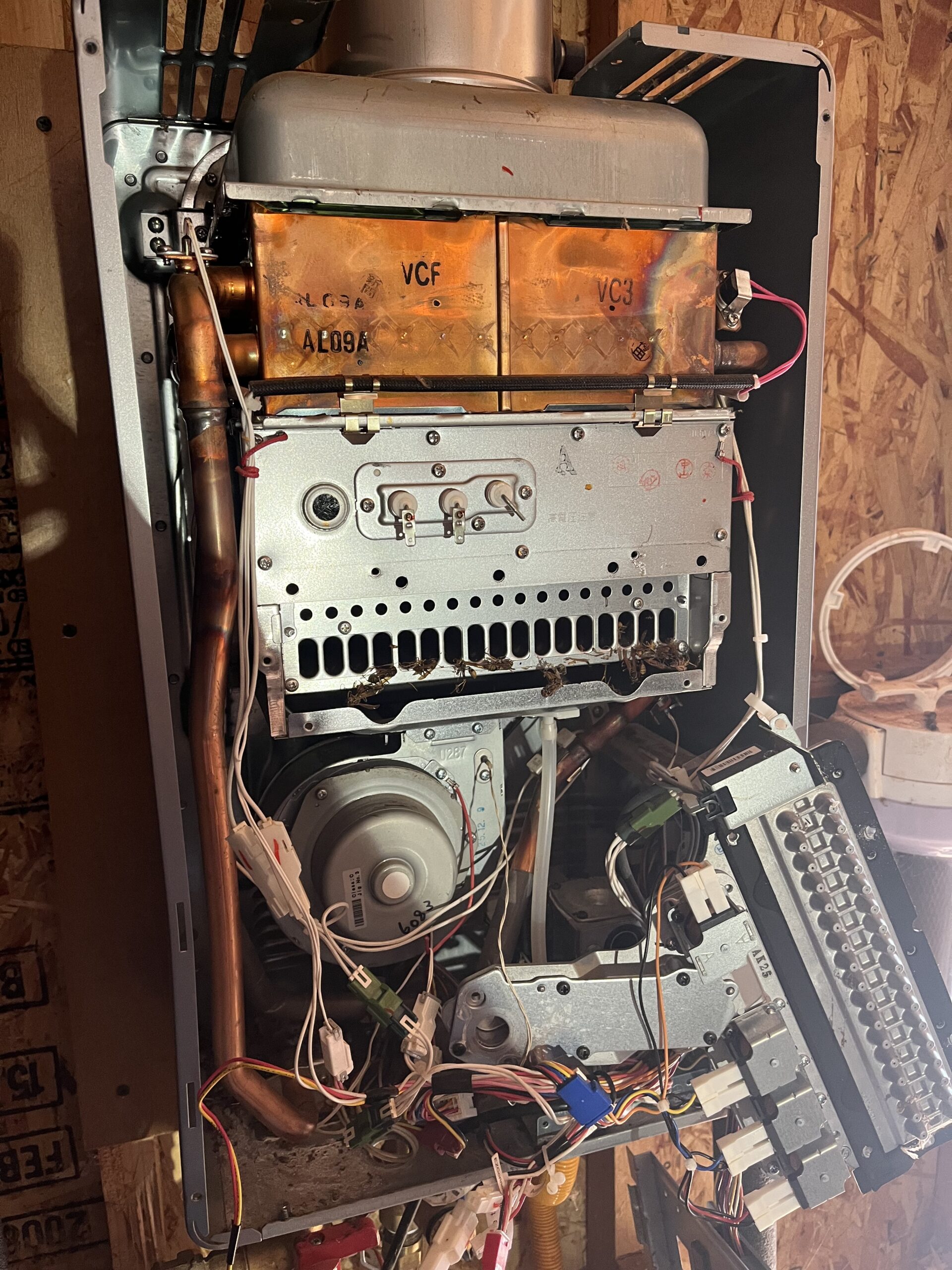
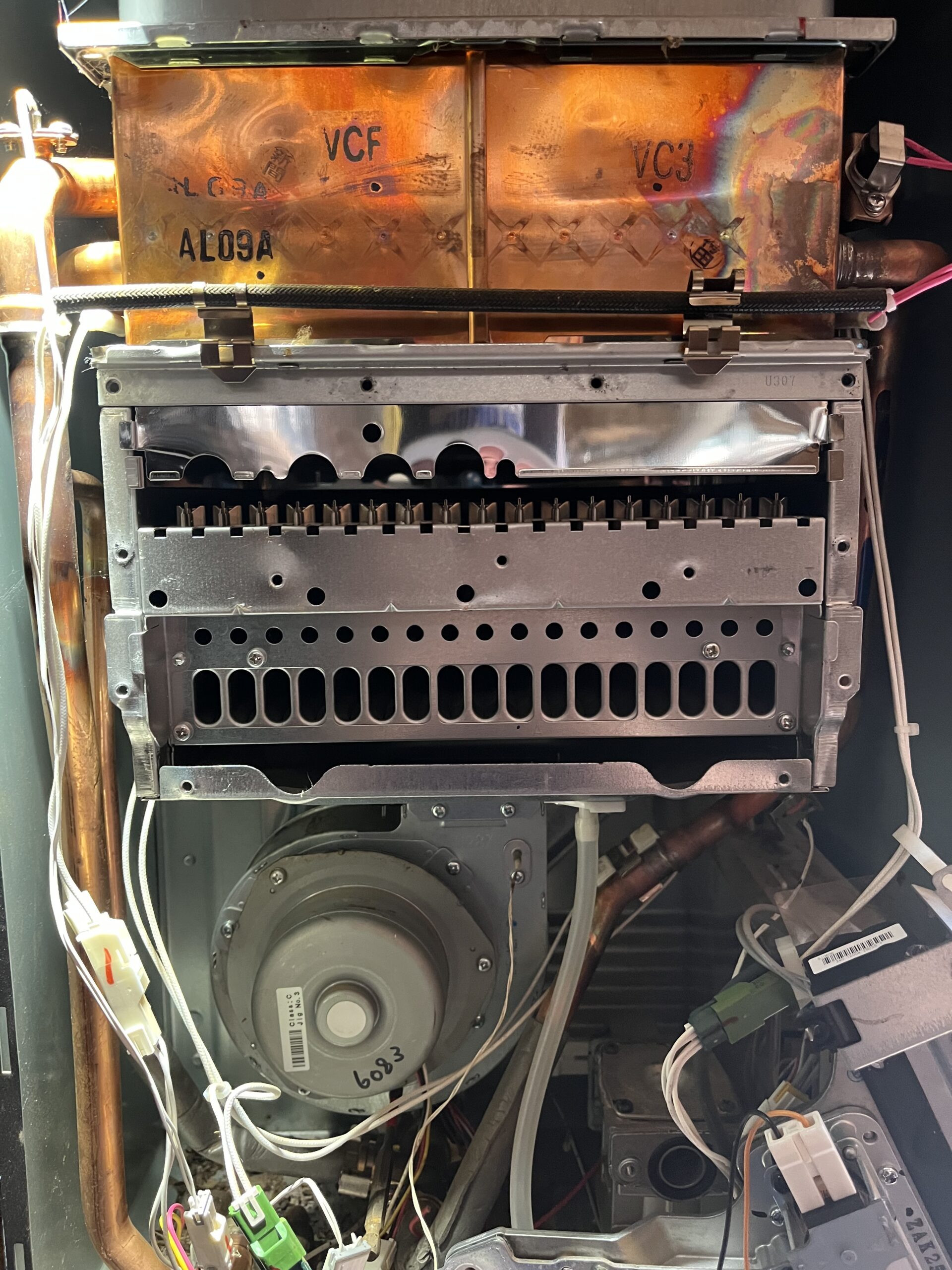
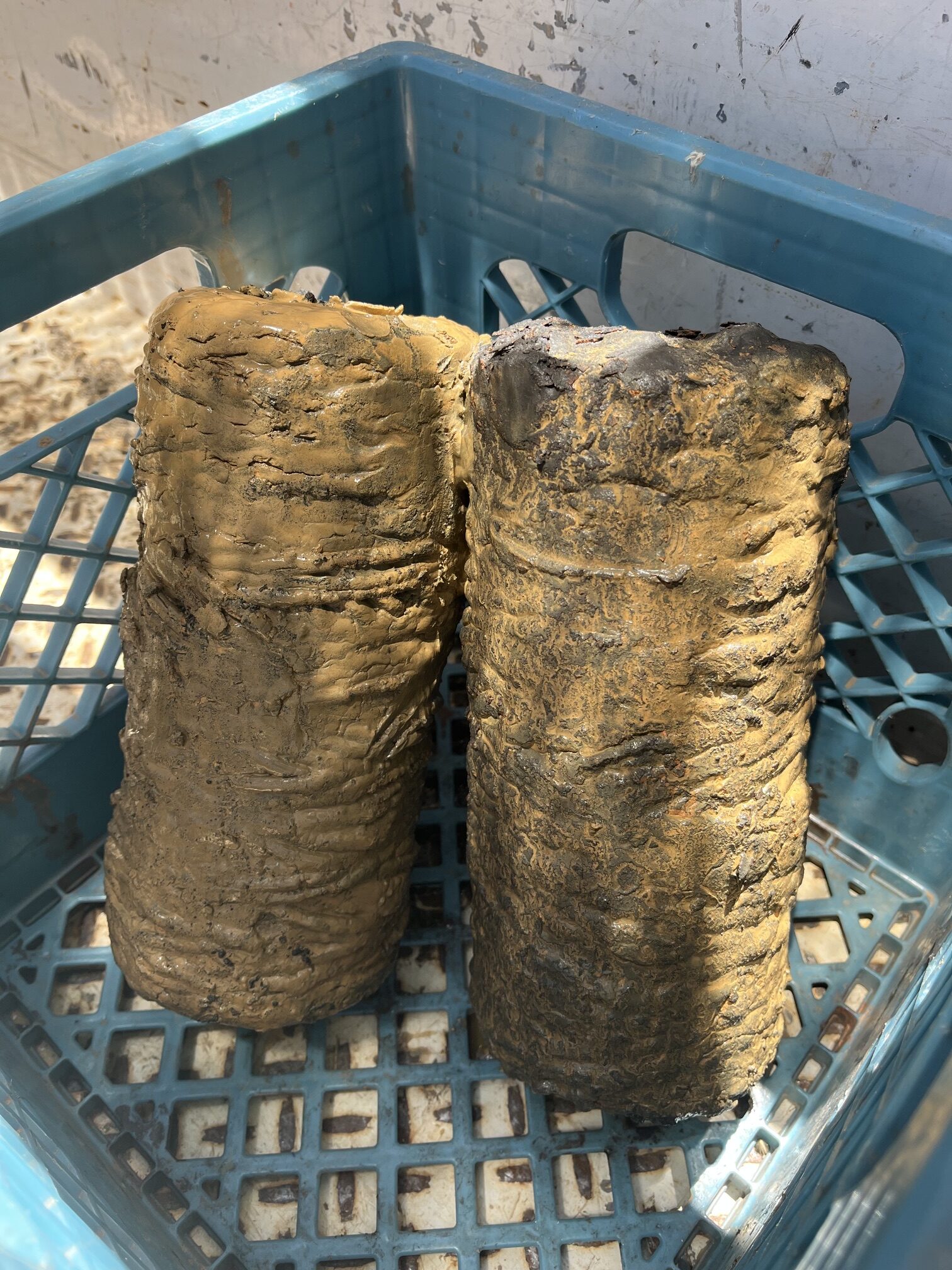
Tankless water heaters require yearly cleaning (descaling/flush) is a big deal for performance and lifespan – especially if you’ve got hard water. This photo shows a cold inlet water filter clogged due to lack of maintenance. If you haven’t had your tankless water heater serviced within the last year, give us a call!
Roots in Sewer Lines
Did you know that roots often grow into your sewer lines?

Tree and shrub roots a common cause of sewer problems. The roots are attracted to the moisture and nutrients inside the pipes and can enter through tiny cracks or joints.
They can get into your sewer line from small cracks in your clay, cast iron or old pvc pipes, any loose or separated pipe joints or even pipe damage of age and soil movements or even poor installation. Once the roots are inside your sewer lines they will rapidly grow and can block or even break your line.
The common signs are slow drains throughout the house, gurgling noises, odors, and frequent backups or clogs.
If you think you are experiencing any of these issues, please give us a call and we will bring our sewer camera out to assess.
There are several ways to fix the issue: a sewer snake which is clear the roots to its best ability, hydro-jetter would be the better option of clearing the sewer line with its high-pressured water, however, sometimes it will require a pipe repair or replacement.
We recommend having yearly sewer maintenance to prevent this from happening.
Moen Flo Smart Water Shut Off Device
Here at Craig Johnson Plumbing we offer a full range of residential and commercial plumbing services, including installations of the Moen Flo Smart Shut off Valve. This device monitors your plumbing 24/7 for any abnormal water flow or pressure drops and will automatically shut off your water.
This device is increasingly required by home insurance companies to qualify for coverage or discounts because it dramatically cuts down on catastrophic water damage claims.
The Moen Flo Smart Water Monitor and Shut off is a smart, whole home water safety system that continuously monitors water pressure and flow in your pipes to spot leaks as small as a single drop per minute as well as runs daily tests to detect subtle issues. The device has an app which sends real time alerts if unusual flow or a leak is detected and this app allows you to also remotely shut off your water from your phone.
The Moen Flo is a great device to protect your biggest investment and offers a peace of mind.
Sewer Backflow Prevention Device
Have you been informed that you need a Sewer Backflow? Are you unsure of who to call? What do you do???
In accordance with the requirements of the California Code of Regulations, Title 17, Chapter V, Sections 7583 to 7605 inclusive, the city as a water supplier has the responsibility to prevent contamination of the public water system by backflow. No water service connection to any premises shall be installed or maintained by the city unless the public water supply is protected, as required by the state.
If you’re still confused – call us! We can help – we can set your mind at ease and get you what you need!
Storm Drains
Can you believe it’s already that time of year again! Hello Fall!
During this time of year storm drains often get clogged due to all of the fallen leaves, debris, sediment, roots and trash. A storm drain (also known as a storm sewer, surface water drains or drainage inlet) is a system to carry rainwater and surface runoff from streets, parking lots, sidewalks and other impervious surfaces into nearby drainage systems. The purpose of storm drains prevents flooding, reduce erosion and protects property and infrastructure from water damage.
If you don’t clear your storm drains you can risk flooding in the streets, sidewalks and your home. If you’re currently experiencing an issue with your storm drains or want to be preventive. We are here to help you!
Food Waste / Garbage Disposal
Food waste occurs when edible food is discarded which often happens during cooking or can even be due to overbuying, improper storage or expiration.
Garbage disposals are very convenient for several reasons:
- Convenience: It makes cleaning up after meals quicker by allowing you to easily dispose of minimal food scraps
- Reduces Trash: Using a garbage disposal helps reduce the amount of waste going into landfills, as organic food scraps are ground up and sent to sewage systems
- Prevents clogging: In some cases, using a garbage disposal helps keep drains clear by breaking down food particles before they can clog pipes
Just remember don’t add any grease or stringy food materials into your garbage disposal such as celery and potato skins. You want to keep your food waste going into your disposal at a minimum to keep everything flowing properly. Instead of putting all your food waste into the garbage disposal or the trash, put the majority of your big food waste into your waste bin for waste management or keep them to feed your animals!