Tree Roots in Your Sewer Line
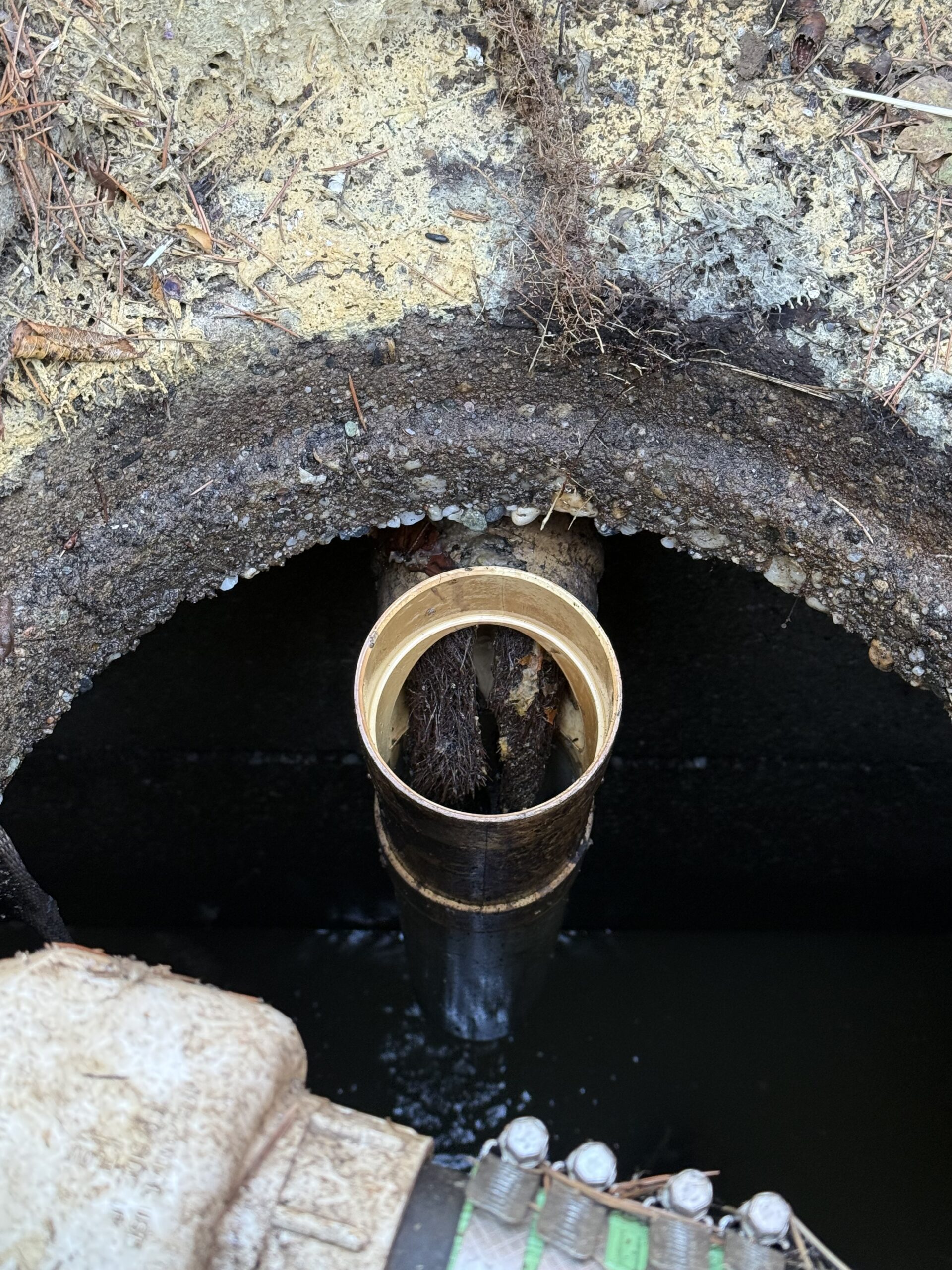
Tree Roots in Your Septic Sewer Line? Craig Johnson Plumbing Can Help
Tree roots may look harmless above ground, but underground, they can cause serious problems for your sewer and septic plumbing. If you’re experiencing recurring drain clogs, slow toilets, or sewage backups, tree roots growing into your sewer line could be the culprit.
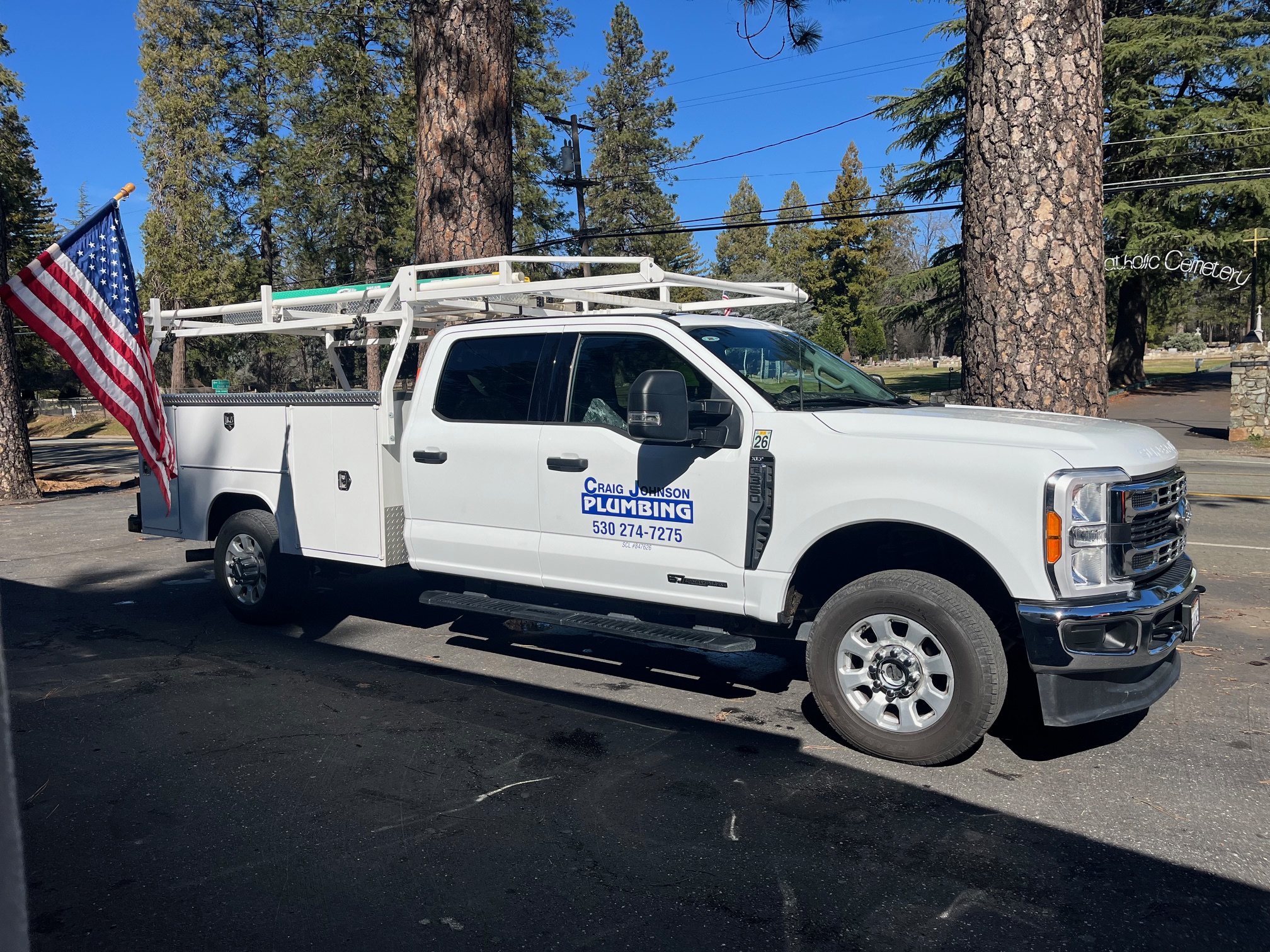
At Craig Johnson Plumbing & Rooter Service, we help homeowners throughout Grass Valley, Nevada City, Nevada County, and surrounding Placer County communities address stubborn drain and sewer problems.
How Do Tree Roots Get Into Sewer Lines?
Tree roots naturally seek moisture. When an underground sewer pipe develops a crack, loose joint, or damaged connection, escaping moisture can attract nearby roots.
Once roots find an opening, they can grow inside the pipe, gradually restricting wastewater flow. Toilet paper, waste, and other debris can collect around the roots, eventually creating a blockage.
Older sewer pipes may be particularly vulnerable, but newer pipes can also develop problems if connections become damaged.
Warning Signs of Root Intrusion
Watch for these common signs of roots growing into your sewer line:
- Recurring clogs: Your drains keep backing up even after being cleared.
- Slow drains: Multiple sinks, tubs, or toilets drain more slowly than usual.
- Gurgling sounds: Toilets and drains bubble when water flows through the plumbing system.
- Sewer odors: Persistent sewage smells may indicate a leak or drainage problem.
- Wet spots in the yard: Unusually green grass, soggy soil, or unexplained wet areas may indicate a damaged underground pipe.
These symptoms can have several causes, so a professional inspection is the best way to determine what’s happening.
Why Professional Rooter Service Matters
Removing roots from a sewer line can restore proper drainage, but it may not resolve the underlying problem if the pipe is cracked or damaged.
That’s why identifying the source of the blockage is important.
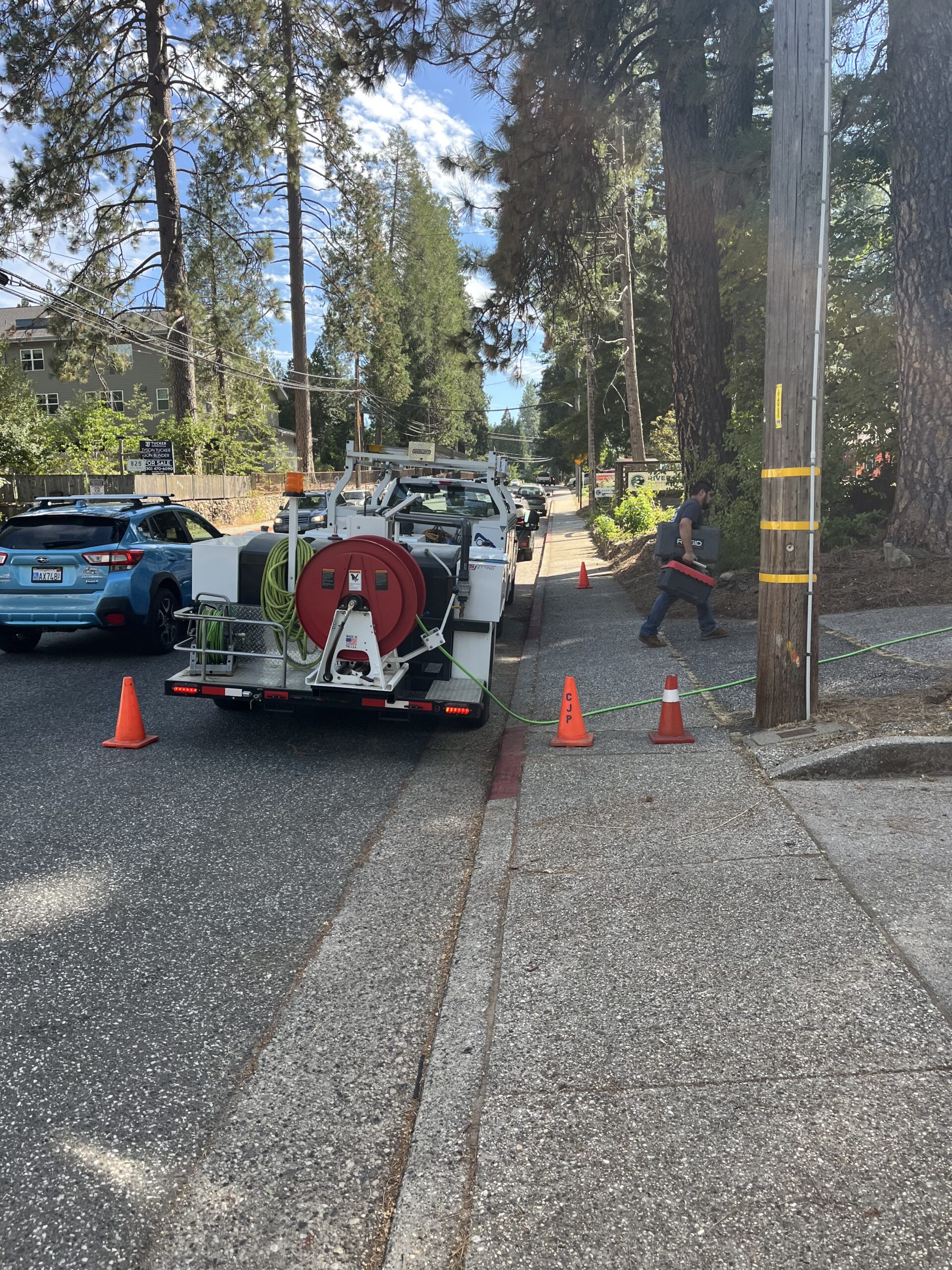
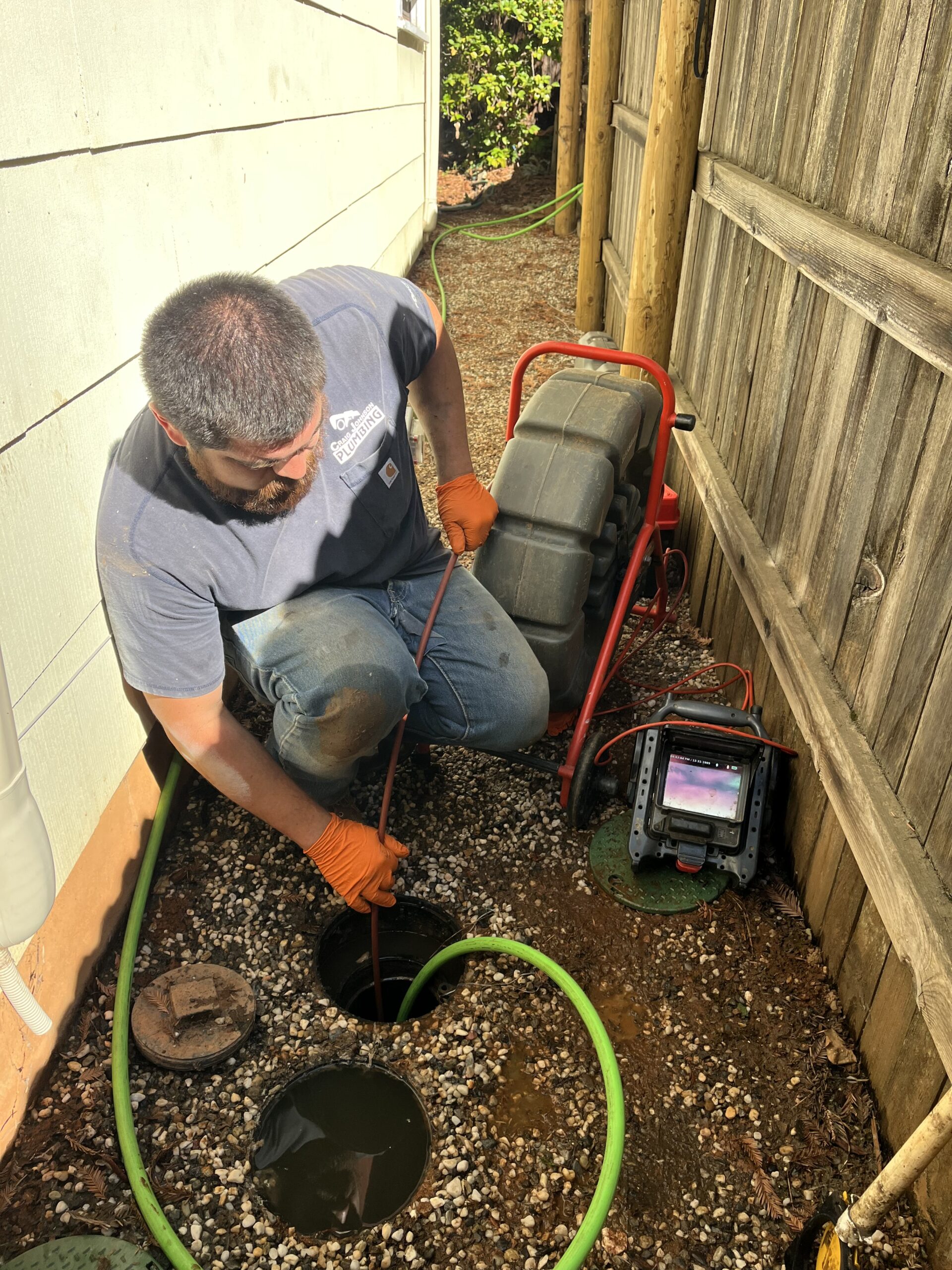
Craig Johnson Plumbing offers rooter service, hydro-jetting, and sewer camera inspections to help diagnose and address sewer and drain problems.
A sewer camera inspection can reveal root intrusion, cracks, pipe separations, and other obstructions. Based on the pipe’s condition, the appropriate solution may involve mechanical root removal, hydro-jetting when suitable, or repairing or replacing damaged pipe sections.
Can Tree Roots Be Prevented From Returning?
If roots have already entered your sewer line, simply removing them may provide only temporary relief. Unless the entry point is repaired, roots can grow back.
Homeowners can reduce the risk of future problems by:
- Keeping large trees away from underground sewer lines when planning landscaping.
- Scheduling an inspection if their plumbing system has a history of recurring backups.
- Addressing damaged pipes before root intrusion becomes more extensive.
- Avoiding chemical drain treatments as a substitute for proper root removal and pipe repair.
Early diagnosis can help prevent repeated blockages and potentially more extensive repairs.
Call Craig Johnson Plumbing & Rooter Service
Don’t let tree roots turn a minor drain problem into a major sewer backup. If your drains keep clogging or you suspect roots have entered your sewer line, Craig Johnson Plumbing can help you determine the cause and discuss the appropriate solution.
We proudly serve Grass Valley, Nevada City, Penn Valley, Auburn, Rocklin, and surrounding communities.
Contact Craig Johnson Plumbing & Rooter Service today.
- Grass Valley and Nevada County: 530-274-7275
- Auburn, Rocklin, and surrounding Placer County areas: 530-885-7275
- Website: https://grassvalleyplumbing.com/
When it comes to sewer line problems, finding the cause is the first step toward a lasting solution.