
Rodent Damage to Outdoor Gas Lines
Rodent Damage to Outdoor Gas Lines: A Hidden Hazard
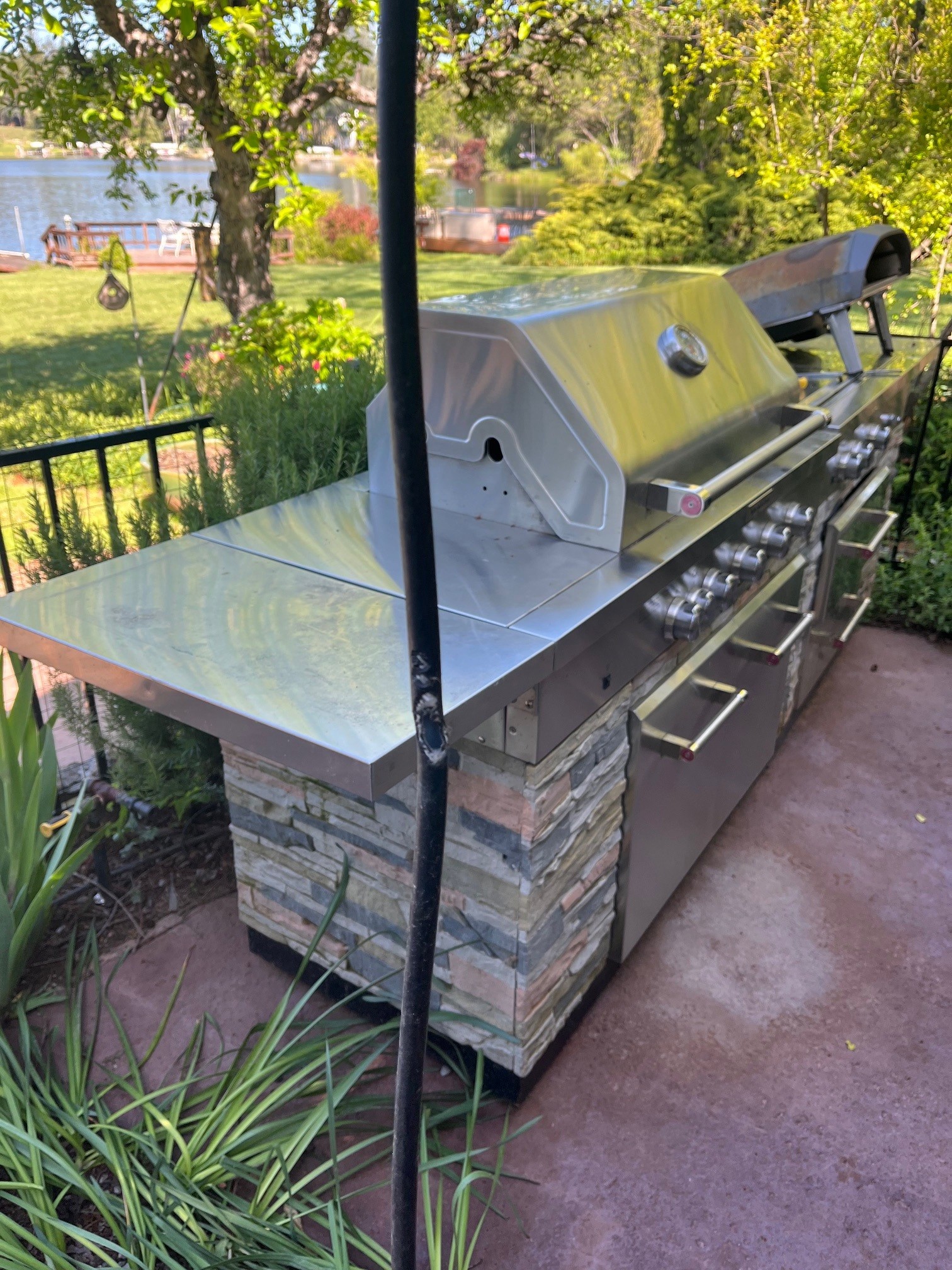
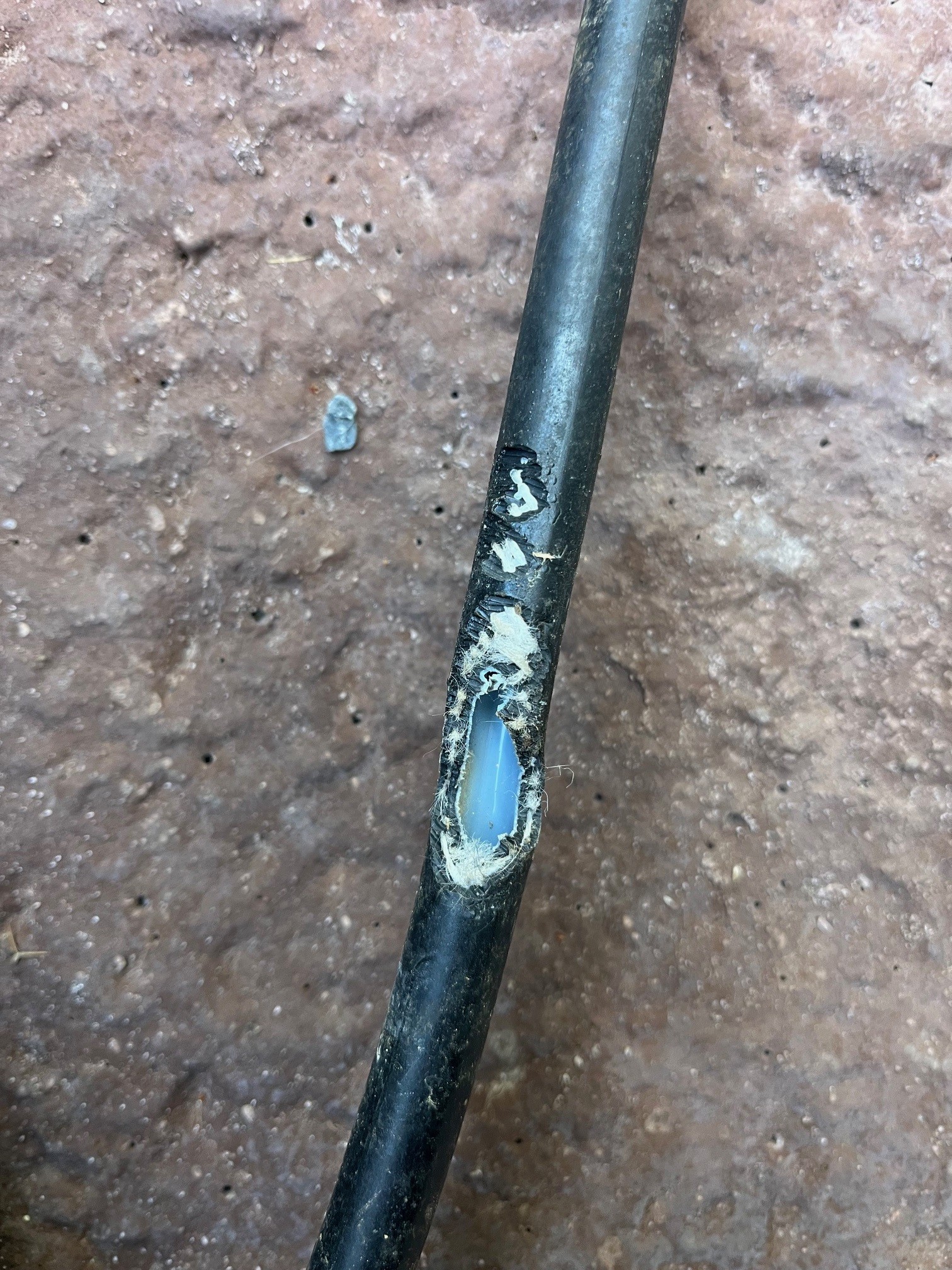
We recently responded to a gas leak call that turned out to be something many homeowners don’t expect—rodents had chewed through a gas line connected to an outdoor BBQ.
It’s not something you see every day, but it’s more common than you might think.
Why Rodents Target Gas Lines
Rodents are constantly gnawing to keep their teeth from overgrowing. Unfortunately, that means almost nothing is off-limits—including gas lines. Outdoor plumbing and gas piping are especially vulnerable because they’re often exposed and tucked into quiet areas where rodents feel safe.
BBQ lines, fire pit connections, and outdoor heaters can all become targets.
Why This Is a Serious Problem
A damaged gas line is more than just a repair issue—it’s a safety concern. Even a small puncture or chew can allow gas to leak, creating a risk of fire or explosion.
Because outdoor systems aren’t always used daily, these leaks can go unnoticed for longer than indoor issues.
Signs You May Have a Gas Leak
Keep an eye (and nose) out for:
• A rotten egg or sulfur smell
• Hissing sounds near gas lines
• Dead or discolored vegetation near the line
• Higher-than-normal gas bills
• Visible damage to exposed piping
If you notice any of these signs, it’s important to act quickly.
Preventing Rodent Damage
While you can’t completely eliminate the risk, there are a few steps you can take:
• Keep outdoor areas clean and free of food debris
• Seal up entry points around your home
• Schedule routine inspections of gas and plumbing systems
• Replace or protect vulnerable piping with more durable materials
The Importance of Regular Inspections
Outdoor gas systems are easy to forget about—but they shouldn’t be. A quick inspection can catch issues like corrosion, loose fittings, or rodent damage before they become dangerous.
If you haven’t had your outdoor gas appliances checked recently, now is a good time.
Final Thoughts
That small gas leak we were called out for could have turned into a much bigger issue if it had gone unnoticed. Situations like this are a good reminder that even the things you don’t see every day still need attention.
When it comes to gas lines, it’s always better to be proactive than reactive.