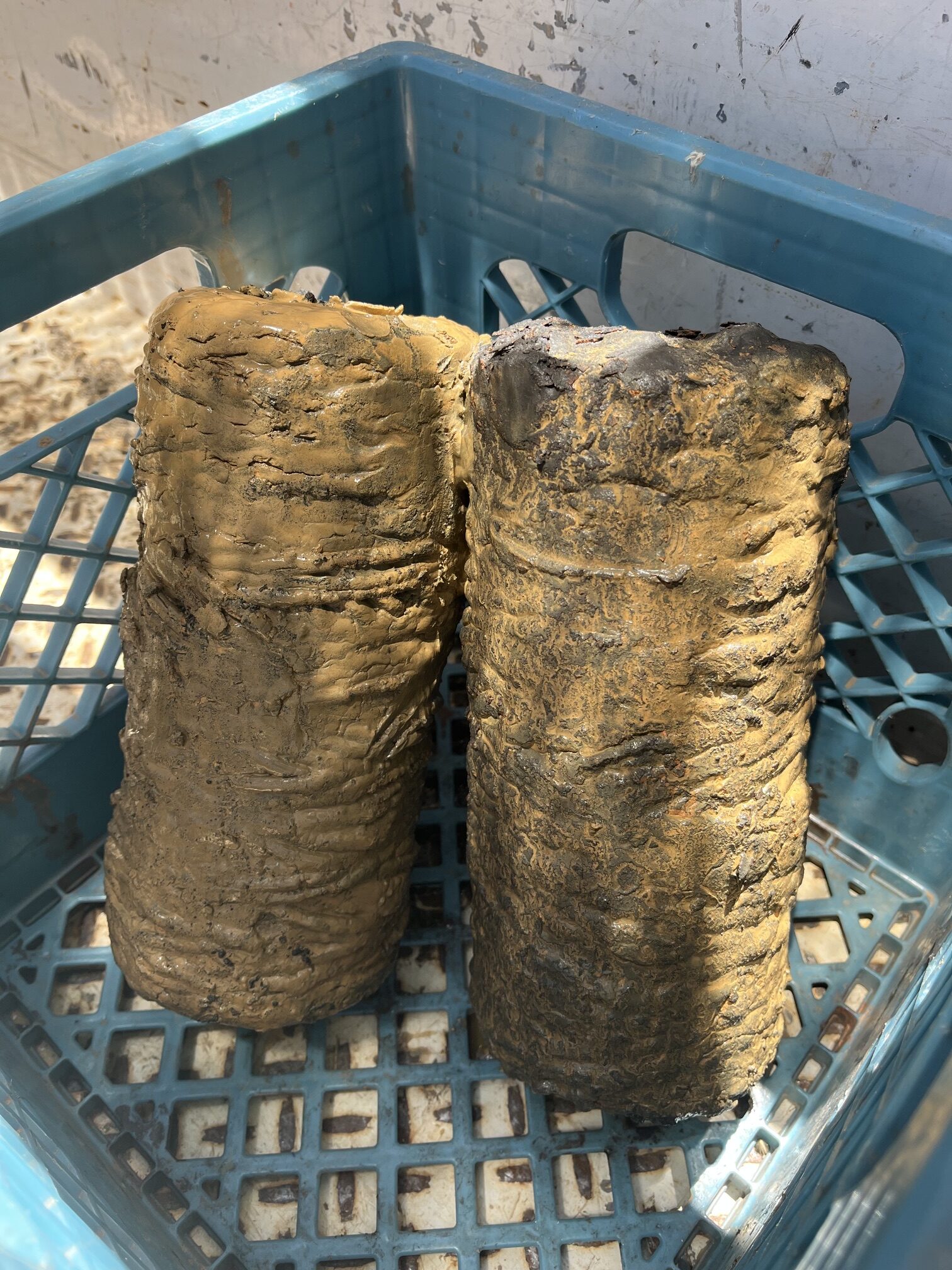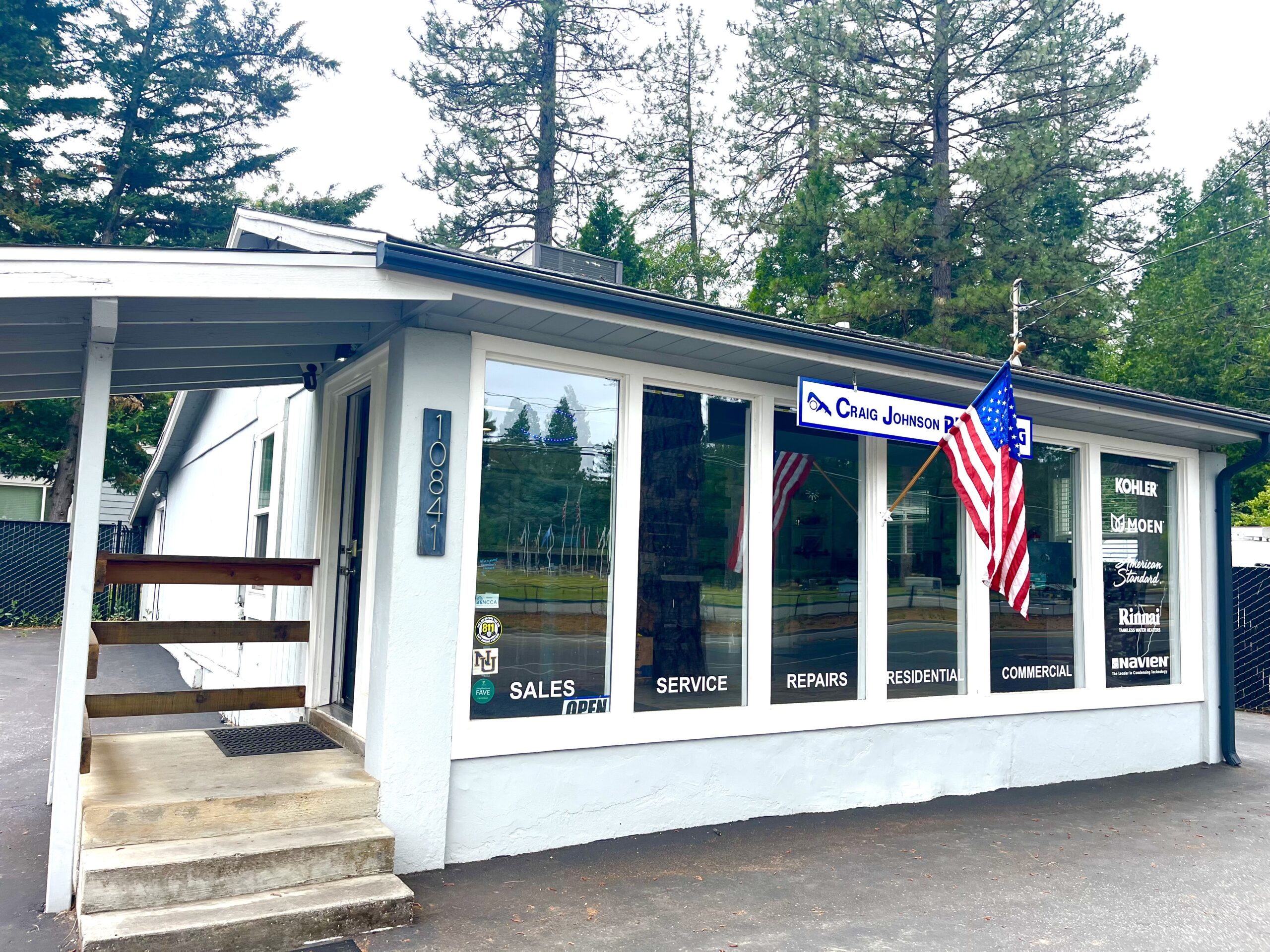
Hydro Jetting & Sewer Camera Inspection: A Better Look at Your Sewer Line
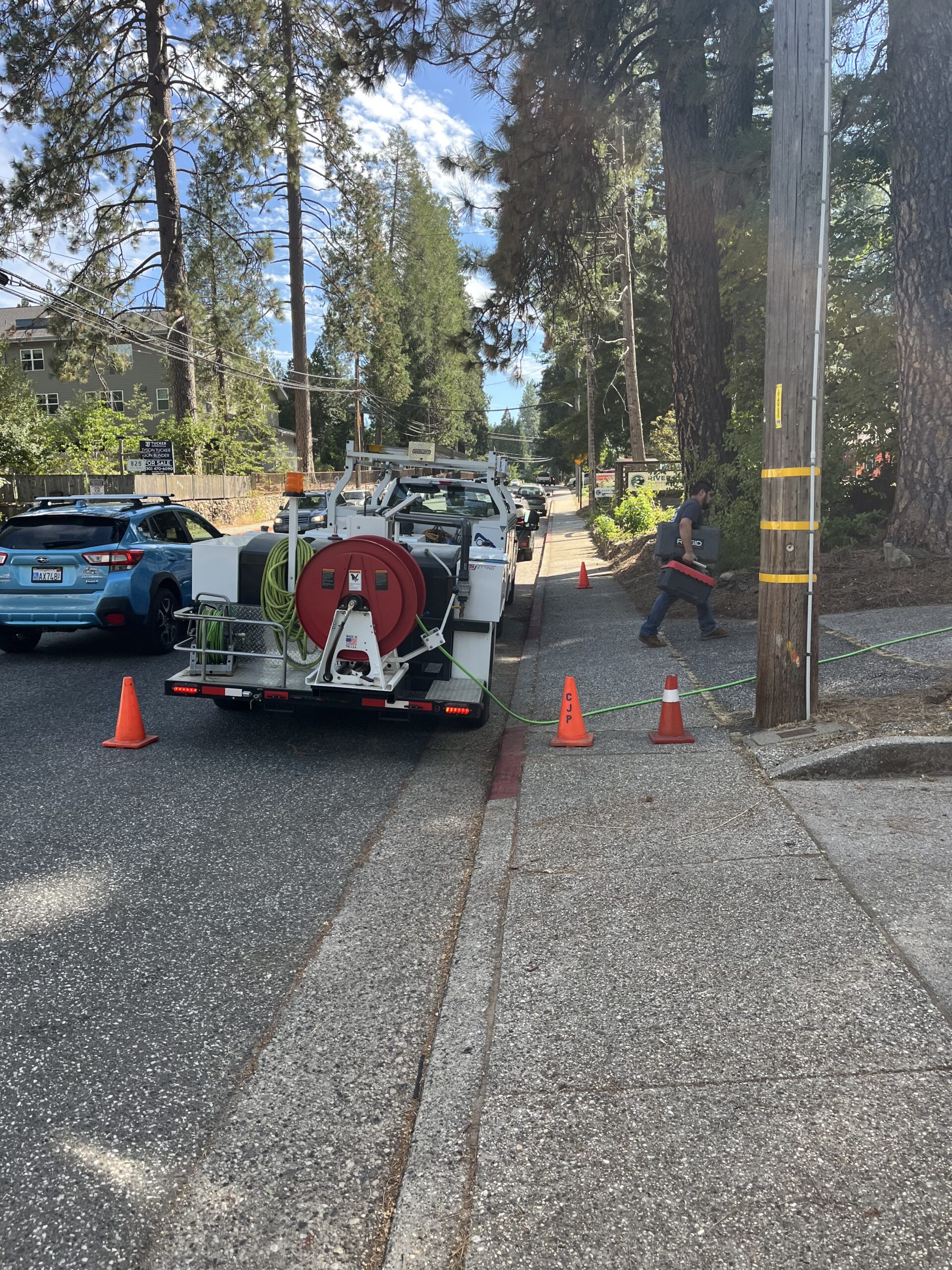
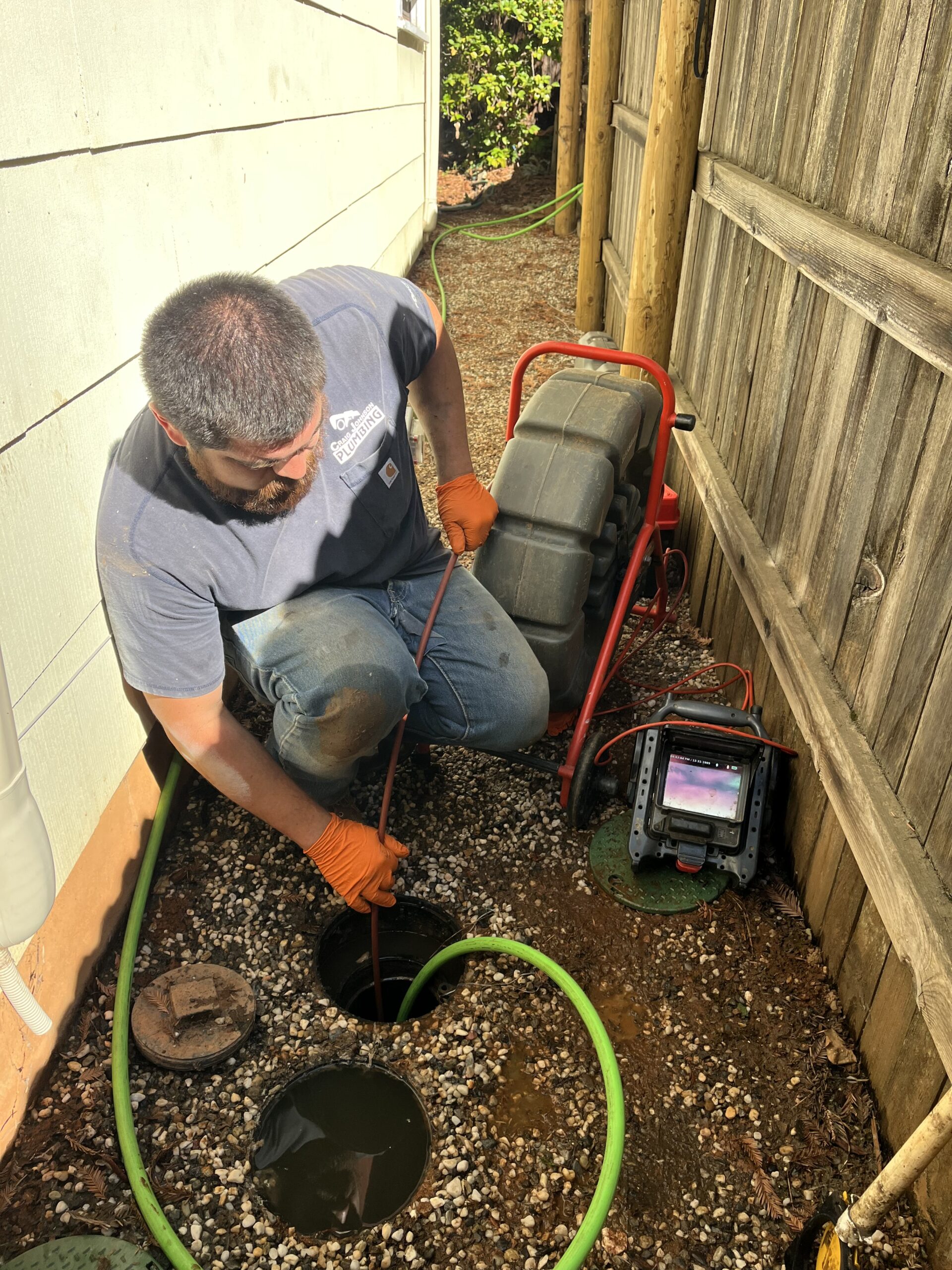
When a sewer line starts slowing down, backing up, or giving you trouble, simply clearing the blockage isn’t always enough. At Craig Johnson Plumbing, we use hydro jetting and sewer camera inspections to clean the line and get a clear picture of what’s happening underground.
High-Pressure Hydro Jetting
Hydro jetting uses high-pressure water to scour the inside of the sewer pipe. It can remove grease, sludge, buildup, roots, and other debris that can cause recurring blockages.
Unlike a basic drain snake, hydro jetting is designed to clean the interior walls of the pipe, helping restore proper flow throughout the line.
Sewer Camera Inspection
After cleaning the line, a sewer camera inspection allows us to see inside the pipe. We can look for cracked or broken sections, root intrusion, offsets, buildup, and other potential problems.
This gives us valuable information about the condition of the sewer line instead of relying on guesswork.
Clean It. Inspect It. Know What’s Going On.
Combining hydro jetting with a camera inspection gives homeowners a much better understanding of their sewer system. We can clean the line, verify the results, and identify potential problems before they turn into major repairs.
If your sewer line is backing up, draining slowly, or experiencing repeated blockages, Craig Johnson Plumbing has the equipment and experience to diagnose the problem and get your sewer flowing properly again.
Why a Yard Hydrant Is One of the Best Upgrades for Your Property
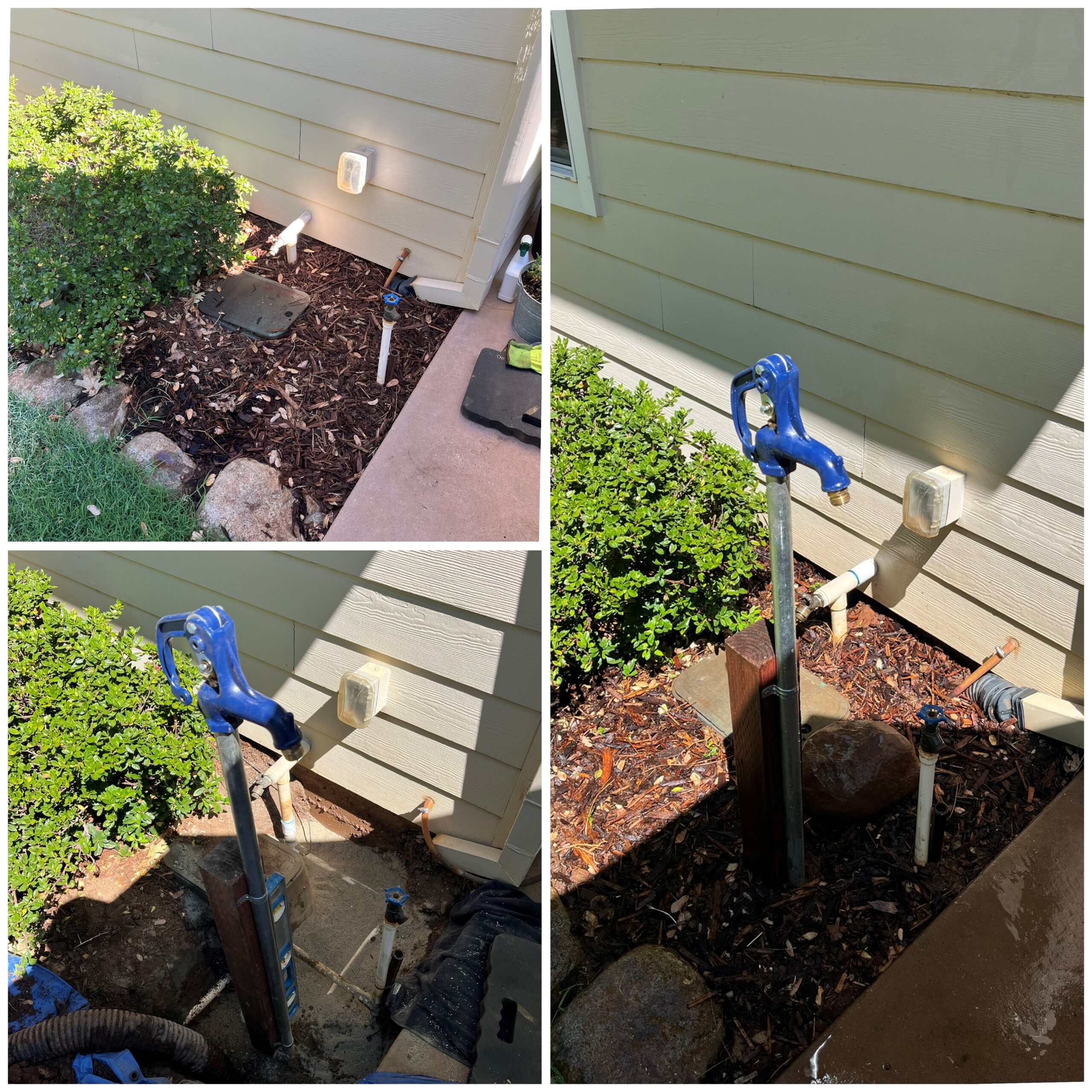
If you’re tired of dragging long hoses across your property or need a reliable water source away from your home, a yard hydrant is a practical solution. Whether you have a large yard, garden, barn, shop, or simply want easier access to water, a professionally installed yard hydrant can make everyday tasks much more convenient.
What Is a Yard Hydrant?
A yard hydrant is a frost-free outdoor water fixture that connects to an underground water line. Unlike a standard hose bib attached to your home, a yard hydrant provides water exactly where you need it—often hundreds of feet from the house. When properly installed, frost-free models drain after use, helping prevent freezing during colder weather. (Engineer Fix)
Benefits of Installing a Yard Hydrant
Convenient water access anywhere on your property
Ideal for gardens, livestock, RVs, shops, and landscaping
Eliminates the need for long hoses
Durable, year-round performance when installed correctly
Adds value and functionality to your property
Professional Installation Matters
A yard hydrant is only as reliable as its installation. Proper depth, drainage, and connection to the water line are essential for long-term performance and freeze protection. Professional installation helps ensure years of dependable service while reducing the risk of leaks or future repairs. (Seppmann Enterprises)
Let Craig Johnson Plumbing Help
Whether you’re adding a new hydrant to your property or replacing an old one, Craig Johnson Plumbing has the experience to get the job done right. We’ll help you determine the best location and install a dependable water source that makes outdoor chores easier for years to come.
Need water where you need it most? Contact Craig Johnson Plumbing today to schedule your yard hydrant installation.
From Small Repairs to Major Projects: Your Local Plumbing Experts
At Craig Johnson Plumbing, we know that plumbing problems rarely happen at a convenient time. Whether it’s low water pressure, a leaking water line, a broken sewer pipe, or a water heater that suddenly stops working, we’re here to help from diagnosis to repair.
Our team takes pride in finding the source of the problem and providing honest, reliable solutions. Using the latest tools and equipment—including sewer cameras, hydro jetting, leak detection equipment, and excavation machinery—we’re able to tackle everything from simple repairs to complex plumbing projects.
We don’t just fix plumbing problems—we build relationships within our community. For more than 20 years, we’ve proudly served Nevada and Placer Counties while staying involved in local events, supporting youth programs, and investing in the next generation of skilled trades.
When you call Craig Johnson Plumbing, you’re getting more than a plumbing company. You’re getting a team that values quality workmanship, clear communication, and treating every home and business as if it were our own.
No job is too big or too small. From clogged drains and water heaters to sewer repairs, septic systems, and complete plumbing installations, we’re here when you need us most.
Thank you for continuing to trust our team with your plumbing needs. We look forward to serving our community for many years to come.
Inconsistent Hot Water? The Problem Might Be Smaller Than You Think
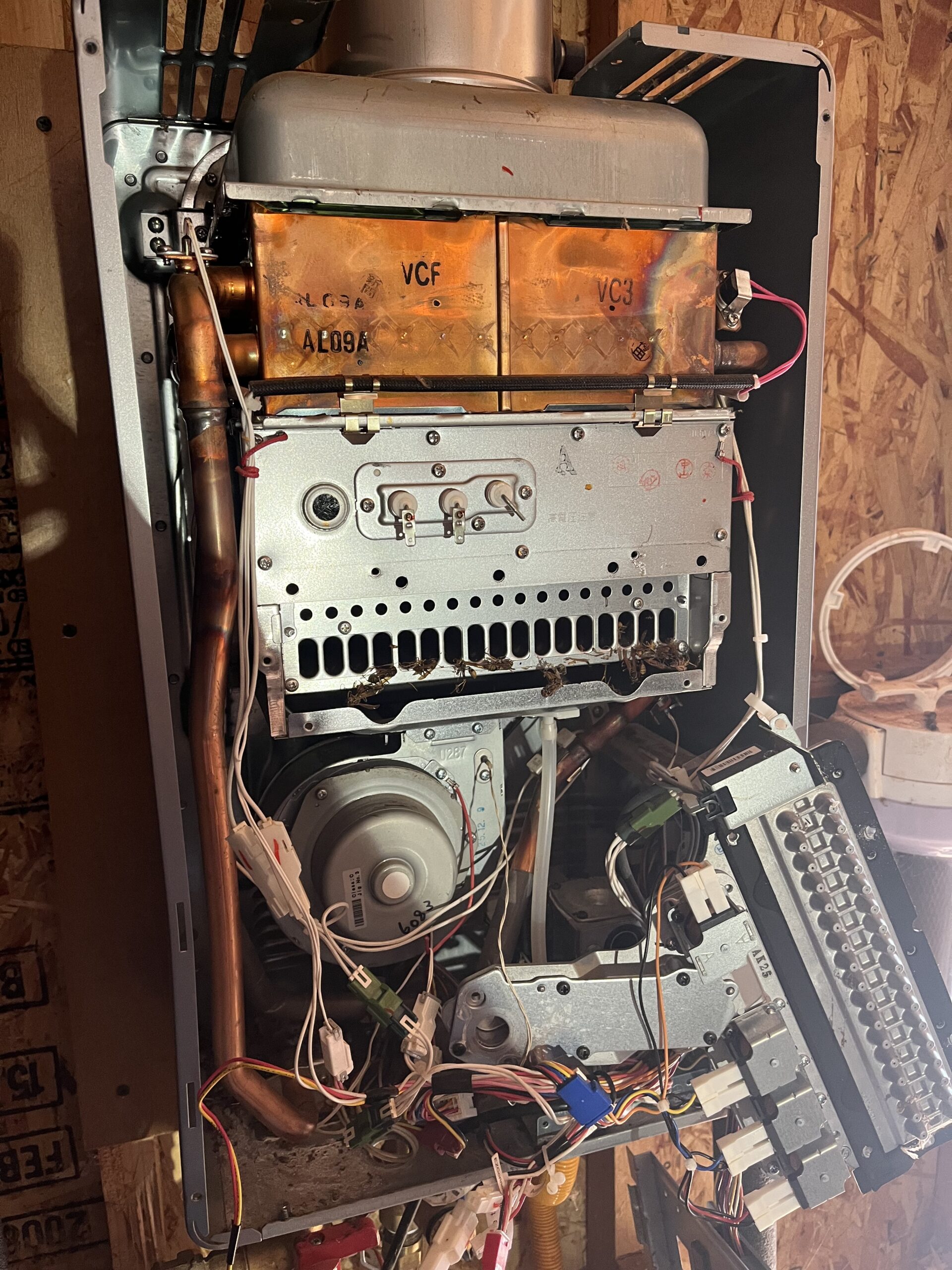
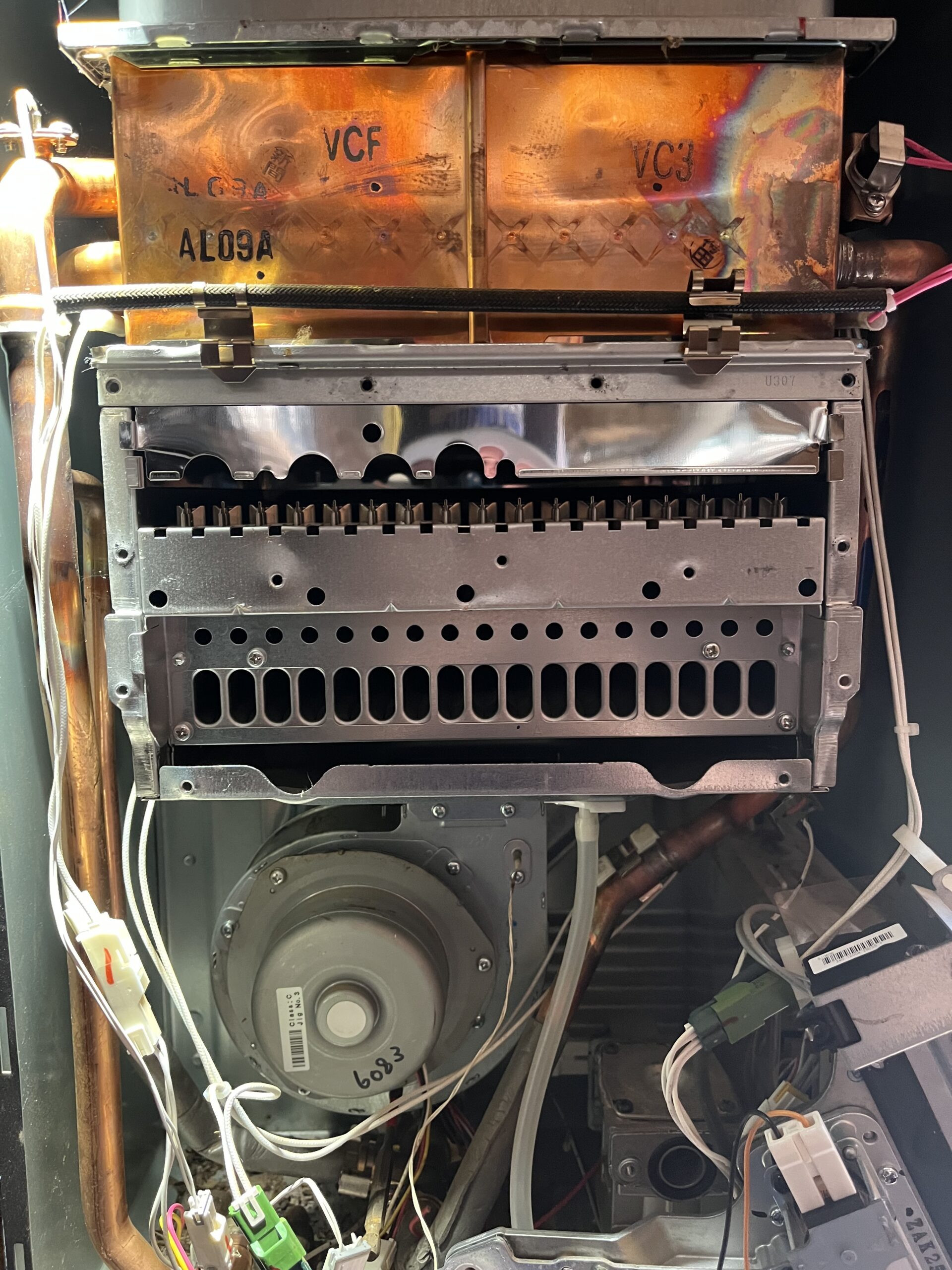
If you’re experiencing inconsistent hot water from your tankless water heater, the issue isn’t always a major plumbing repair. Recently, we diagnosed a tankless water heater that would randomly lose hot water and struggle to maintain temperature. After a thorough inspection, we discovered an unusual culprit—wasps had built nests inside the air intake and venting components.
Tankless water heaters rely on proper airflow to operate efficiently. When insects, debris, or nests block the intake or exhaust, the unit can struggle to ignite properly, cycle on and off, or produce inconsistent water temperatures.
Common Signs of a Blocked Tankless Water Heater
Hot water temperature fluctuates
Water turns cold during use
Error codes on the unit
Unit frequently shuts down and restarts
Reduced overall performance
Preventative Maintenance Matters
Regular maintenance and inspections can help catch issues like insect nests, debris buildup, and dirty components before they leave you without reliable hot water.
If your tankless water heater isn’t performing like it should, don’t wait for it to fail completely. A professional inspection can often identify and resolve the problem quickly.
Craig Johnson Plumbing is here to help keep your hot water flowing year-round. Contact us for tankless water heater maintenance, repairs, and troubleshooting.
Is a Clogged Whole House Filter Causing Your Low Water Pressure?
If you’ve noticed a sudden drop in water pressure throughout your home, a clogged whole house water filter may be the reason. Many homeowners assume low pressure means a major plumbing issue, but sometimes the solution is as simple as replacing a dirty filter.
What Does a Whole House Filter Do?
A whole house water filter is designed to remove sediment, dirt, and other contaminants before water enters your home’s plumbing system. This helps protect faucets, appliances, water heaters, and plumbing fixtures from buildup and damage.
Signs Your Filter May Be Clogged
Low water pressure throughout the entire house
Reduced flow at multiple faucets and showers
Water pressure gradually getting worse over time
Dirty or discolored filter cartridges
Appliances taking longer to fill with water
Why It Matters
As sediment builds up inside the filter, water has a harder time passing through. This restriction can affect every fixture in your home and put additional strain on your plumbing system.
The Solution
Regular filter inspections and replacements can help maintain strong water pressure and extend the life of your plumbing fixtures and appliances. Most filters should be checked according to the manufacturer’s recommendations and local water conditions.
We’re Here to Help
If you’re experiencing low water pressure and aren’t sure what’s causing it, Craig Johnson Plumbing can help diagnose the issue and get your water flowing properly again.
Sometimes the fix is simple—a clogged filter. Don’t overlook one of the most common causes of low water pressure! 💧🔧
Craig Johnson Plumbing – Serving Nevada and Placer Counties with honest, reliable service
From Diagnosis to Repair: What Happens During a Plumbing Service Call?
When plumbing problems strike, it can be hard to know what’s happening behind the scenes. At Craig Johnson Plumbing, we believe in keeping our customers informed every step of the way.
Here’s a look at what a typical plumbing repair process looks like from start to finish.
1. The Initial Problem
Most service calls begin with a symptom rather than a clear diagnosis. It could be:
• A slow-draining sink
• A backed-up toilet
• Sewer odors around the property
• Water pooling in the yard
• Frequent drain clogs
What seems like a simple clog can sometimes be a much larger issue hidden underground.
2. Investigation and Diagnosis
The first step is finding the source of the problem. We use professional diagnostic tools, including sewer cameras, leak detection equipment, and pressure testing when needed.
For sewer issues, a camera inspection allows us to see inside the pipe and identify:
• Cracked sewer lines
• Root intrusion
• Pipe separations
• Collapsed sections
• Heavy buildup and blockages
A proper diagnosis ensures the repair addresses the actual problem, not just the symptoms.
3. Creating a Repair Plan
Once the issue is identified, we discuss the findings with the homeowner and recommend the best solution.
Our goal is always to provide:
• Clear communication
• Honest recommendations
• Upfront pricing
• Long-lasting repairs
4. The Repair Process
Depending on the issue, repairs may involve:
• Replacing damaged sewer pipe
• Repairing water lines
• Installing new fixtures
• Clearing blockages
• Excavation and pipe replacement
In the case of a broken sewer line, excavation may be necessary to remove the damaged section and install new piping that meets current standards.
5. Testing the System
After repairs are completed, we thoroughly test the system to ensure everything is functioning properly.
This may include:
• Running water through fixtures
• Checking for leaks
• Performing another camera inspection
• Verifying proper drainage and flow
We don’t consider the job complete until the system is working as intended.
6. Cleanup and Final Walkthrough
A professional plumbing repair should leave your property in good condition. After the work is finished, we clean up the job site and walk the customer through the completed repair.
You’ll know exactly what was fixed and have confidence that the problem has been resolved.
When Plumbing Problems Happen, We’re Here to Help
Whether it’s a simple repair or a major sewer line replacement, Craig Johnson Plumbing has the experience and equipment to diagnose the problem correctly and get it fixed right.
From diagnosis to repair, we’re committed to providing honest service, quality workmanship, and plumbing solutions you can trust.
Toilets are one of the most used plumbing fixtures in every home, but most people rarely think about how important they are — until something goes wrong. From clogged drains to running toilets, keeping your toilet plumbing in good condition can help prevent bigger plumbing problems down the road.
Here are some fun toilet facts and helpful plumbing tips you may not know!
Fun Toilet Facts
Toilets Are Used Thousands of Times Per Year
The average person flushes a toilet around 5 times a day. That adds up to thousands of flushes every single year!
Running Toilets Waste Huge Amounts of Water
A running toilet may seem minor, but it can waste hundreds of gallons of water per day if left unrepaired.
Toilets Have Changed A Lot Over Time
Older toilets used as much as 5–7 gallons per flush. Modern high-efficiency toilets use closer to 1.28 gallons, helping homeowners save water and money.
Most Toilet Clogs Are Preventable
One of the biggest causes of toilet backups is flushing items that should never go down the drain, including:
• “Flushable” wipes
• Paper towels
• Feminine products
• Cotton swabs
• Grease or food waste
Even products labeled flushable can create serious sewer line problems.
Common Signs Your Toilet Needs Attention
Constant Running Water
Usually caused by:
• Bad flapper
• Fill valve issues
• Worn internal components
Water Around the Base
This could mean:
• Failed wax ring
• Loose bolts
• Hidden leak damage
Frequent Clogs
Recurring clogs may point to:
• Drain buildup
• Sewer line issues
• Tree roots in the sewer system
Weak Flushing
Low flushing power can be caused by:
• Mineral buildup
• Partial blockage
• Older inefficient toilets
Toilet Maintenance Tips
Don’t Ignore Small Leaks
A small toilet leak can slowly damage flooring and subfloors over time.
Replace Old Supply Lines
Older water supply lines can fail unexpectedly and cause flooding.
Teach Kids What Not to Flush
Keeping wipes and toys out of the toilet can save you from emergency plumbing calls.
Consider Upgrading Older Toilets
Newer toilets are:
• More efficient
• Better flushing
• Water-saving
• Less prone to clogging
When in Doubt, Have It Checked
Sometimes a simple toilet problem is actually a sign of a bigger sewer or plumbing issue underneath the home. A professional inspection can help catch problems early before they turn into major repairs.
Your toilet may not be the most glamorous part of the house — but it’s definitely one of the most important!
Plumbing emergencies never happen at a convenient time. Whether it’s a burst pipe, overflowing toilet, sewer backup, or a major leak, knowing what to do in those first few minutes can help prevent serious water damage and costly repairs.
At Craig Johnson Plumbing, we’ve seen firsthand how quickly a small plumbing problem can turn into a major mess. Here are some important steps homeowners can take during a plumbing emergency.
1. Shut Off the Water
The first thing to do during any major plumbing leak is locate and shut off the water supply.
For smaller issues, like a leaking toilet or faucet, there is usually a shut-off valve nearby. For larger emergencies, you may need to shut off the home’s main water valve.
Knowing where your main water shut off is located before an emergency happens can save valuable time and prevent flooding.
2. Turn Off the Water Heater
If you’ve shut off your main water supply, it’s also a good idea to turn off your water heater. This helps protect the unit from damage caused by pressure changes or overheating.
For gas water heaters, turn the gas valve to the “pilot” setting. For electric units, switch off the breaker.
3. Stop Using Plumbing Fixtures
If you suspect a sewer backup or clogged main line, avoid using sinks, showers, toilets, or appliances connected to the plumbing system. Continuing to use water can make the backup worse and cause sewage to overflow into the home.
4. Contain the Water if Possible
Use towels, buckets, or pans to help contain leaking water until a plumber arrives. Moving furniture, rugs, and valuables away from the affected area can also help minimize damage.
If water is near electrical outlets or appliances, avoid the area and use caution.
5. Don’t Ignore Small Warning Signs
Many plumbing emergencies start with small symptoms:
• Slow drains
• Gurgling toilets
• Sewer odors
• Water stains
• Unusually high water bills
• Dripping pipes
Addressing these issues early can often prevent a larger and more expensive repair later.
6. Call a Professional Plumber
Some plumbing problems require immediate professional attention. Burst pipes, sewer backups, gas leaks, and major water leaks should always be handled by a licensed plumber.
Professional equipment like sewer cameras, leak detection tools, and hydro jetters help diagnose and solve problems properly the first time.
Common Plumbing Emergencies We See
• Burst water lines
• Sewer backups
• Clogged drains
• Water heater failures
• Gas leaks
• Overflowing toilets
• Broken sewer lines
• Outdoor water leaks
Prevent Plumbing Emergencies Before They Start
Routine maintenance and inspections can help catch plumbing issues before they become emergencies. Sewer camera inspections, drain cleaning, water heater maintenance, and leak checks all help keep your plumbing system running smoothly.
When plumbing problems happen, acting quickly can make all the difference.
At Craig Johnson Plumbing, we’re proud to help Nevada & Placer County homeowners with reliable plumbing, drain cleaning, sewer repairs, gas lines, hydro jetting, and emergency plumbing services.
As temperatures start to climb and the days get longer, your outdoor plumbing system is about to work overtime. Summer means lush lawns, thriving gardens, and—if things aren’t maintained—unexpected leaks, high water bills, and sprinkler headaches. A little preparation now can save you time, money, and stress all season long.
Start with a Sprinkler System Check
Before you rely on your sprinklers daily, turn the system on and run each zone. Look for:
• Broken or clogged sprinkler heads
• Uneven spray patterns
• Leaks around valves or lines
• Areas of low pressure
Even small issues can waste a surprising amount of water and leave parts of your yard dry.
Watch for Hidden Leaks
Outdoor plumbing often takes a beating during winter and spring. Shifting soil, tree roots, and temperature changes can crack or loosen pipes underground. If you notice soggy spots in your yard or a sudden spike in your water bill, it’s worth having your system inspected.
Check Hose Bibs & Connections
Your hose bib (outdoor faucet) is another common trouble spot. Make sure:
• There are no drips when the water is on or off
• Connections are tight and secure
• Backflow preventers are functioning properly
A small drip might not seem like much, but over time it adds up.
Adjust for Efficiency
Summer watering doesn’t mean overwatering. Proper sprinkler timing and alignment can:
• Reduce water waste
• Prevent plant damage
• Lower your utility bill
Water early in the morning or late in the evening to avoid evaporation during peak heat.
Don’t Ignore Drainage
With increased watering comes more runoff. Poor drainage can lead to pooling water, foundation issues, and landscape damage. Make sure your yard is directing water away from your home and that drains are clear.
When to Call a Professional
If you’re dealing with low pressure, recurring leaks, or suspect underground damage, it’s best to bring in a professional. A full inspection—sometimes with a camera—can catch issues you can’t see from the surface.
Final Thought
Summer should be about enjoying your yard—not worrying about plumbing problems. A quick sprinkler and outdoor plumbing check now can keep everything running smoothly when you need it most.
If you haven’t had your system looked at yet, now’s the time. Your lawn—and your wallet—will thank you.
Rodent Damage to Outdoor Gas Lines: A Hidden Hazard
We recently responded to a gas leak call that turned out to be something many homeowners don’t expect—rodents had chewed through a gas line connected to an outdoor BBQ.
It’s not something you see every day, but it’s more common than you might think.
Why Rodents Target Gas Lines
Rodents are constantly gnawing to keep their teeth from overgrowing. Unfortunately, that means almost nothing is off-limits—including gas lines. Outdoor plumbing and gas piping are especially vulnerable because they’re often exposed and tucked into quiet areas where rodents feel safe.
BBQ lines, fire pit connections, and outdoor heaters can all become targets.
Why This Is a Serious Problem
A damaged gas line is more than just a repair issue—it’s a safety concern. Even a small puncture or chew can allow gas to leak, creating a risk of fire or explosion.
Because outdoor systems aren’t always used daily, these leaks can go unnoticed for longer than indoor issues.
Signs You May Have a Gas Leak
Keep an eye (and nose) out for:
• A rotten egg or sulfur smell
• Hissing sounds near gas lines
• Dead or discolored vegetation near the line
• Higher-than-normal gas bills
• Visible damage to exposed piping
If you notice any of these signs, it’s important to act quickly.
Preventing Rodent Damage
While you can’t completely eliminate the risk, there are a few steps you can take:
• Keep outdoor areas clean and free of food debris
• Seal up entry points around your home
• Schedule routine inspections of gas and plumbing systems
• Replace or protect vulnerable piping with more durable materials
The Importance of Regular Inspections
Outdoor gas systems are easy to forget about—but they shouldn’t be. A quick inspection can catch issues like corrosion, loose fittings, or rodent damage before they become dangerous.
If you haven’t had your outdoor gas appliances checked recently, now is a good time.
Final Thoughts
That small gas leak we were called out for could have turned into a much bigger issue if it had gone unnoticed. Situations like this are a good reminder that even the things you don’t see every day still need attention.
When it comes to gas lines, it’s always better to be proactive than reactive.